
American Airlines, Google strike largest-ever corporate SAF deal
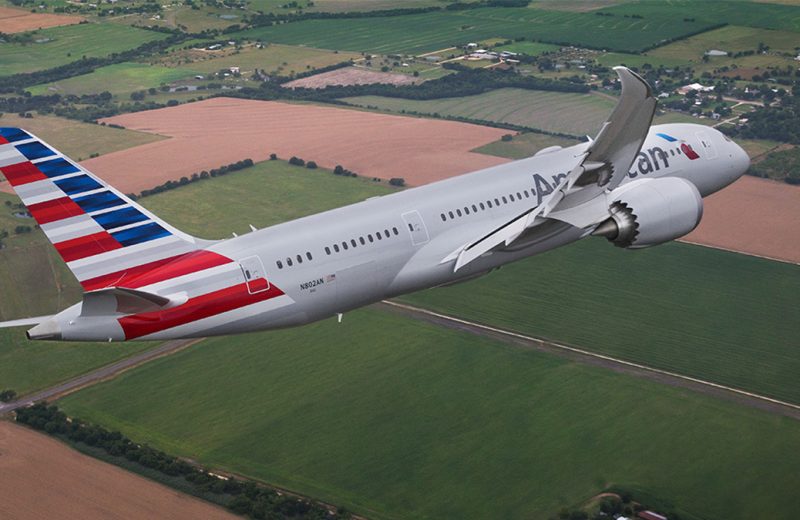
American will take physical delivery of the fuel at Chicago O’Hare International Airport.
American Airlines and Google have signed the largest publicly announced sustainable aviation fuel agreement between an airline and a single corporate customer.
Under the deal, American will take physical delivery of the fuel at Chicago O’Hare International Airport, with the SAF portion produced from waste feedstocks such as used cooking oil.
Google will not receive the fuel directly but will instead claim the environmental benefits through SAF certificates – a book-and-claim mechanism that allows companies to offset emissions from employee business travel.
The scale of the commitment gave American enough certainty to lock in a new long-term SAF supply agreement with Valero Marketing and Supply Company, illustrating how large corporate purchase commitments can pull new production capacity into the market.
“Our industry-leading agreement with Google is a critical step forward in reducing emissions from our operations,” said American’s chief sustainability officer Jill Blickstein. “By working with leaders like Google who share our commitment to innovation, we’re helping to grow demand for SAF and support the development of a stronger, more resilient market.”
For Google, the deal represents an expansion of its efforts to address Scope 3 emissions tied to employee travel. The company has previously signed long-term SAF agreements and backed startups working on next-generation fuel production.
“This strategic collaboration with American Airlines demonstrates how companies can work together to scale critical sustainability technologies,” said Google’s chief sustainability officer Kate Brandt. “By entering into this long-term commitment, we are sending a vital demand signal to catalyse investment and bring more SAF to market.”
Analysts say the structure of the deal reflects how the US SAF market has evolved rapidly.
“The US is interesting because it has no SAF demand requirements but lots of supply incentives. US domestic production grew to 240 million gallons in 2025, up from 39 million gallons in 2024. Now all that new supply needs to find a home,” Jade Patterson, renewable fuels analyst at BloombergNEF told SAF Investor.
Patterson added that SAF certificates have lowered the barrier for corporate buyers, typically adding only $2–$3 per gallon for the end customer, and that the instrument is increasingly viewed as more credible than purchasing carbon offsets in unrelated sectors.