
IATA calls for ‘course correction’ as SAF production slows down
The International Air Transport Association (IATA) announced its 2026 production outlook and warned that the growth is projected to slow down and reach 2.4m tonnes.
In 2025, SAF output is expected to reach 1.9m tonnes (2.4bn liters), double the 1m tonnes produced in 2024.
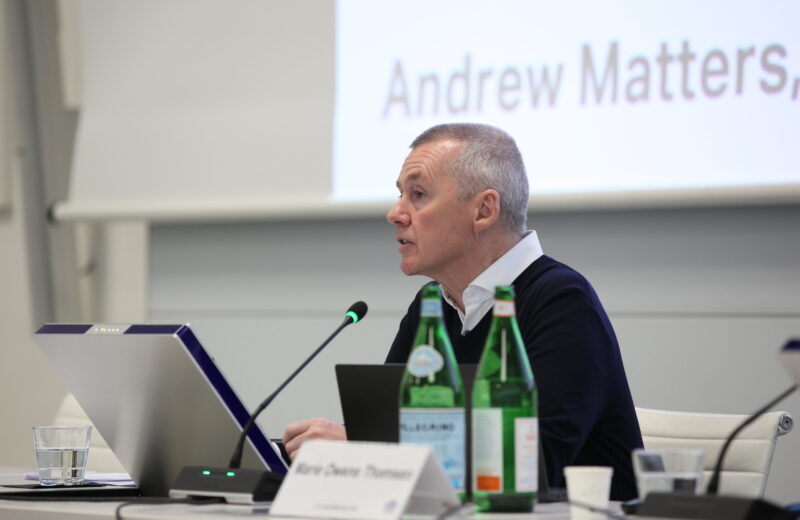
“SAF production growth fell short of expectations as poorly designed mandates stalled momentum in the fledgling SAF industry. If the goal of SAF mandates was to slow progress and increase prices, policymakers knocked it out of the park. But if the objective is to increase SAF production to further the decarbonization of aviation, then they need to learn from failure and work with the airline industry to design incentives that will work,” said Willie Walsh, IATA’s director general.
IATA also said that the mandates in the EU and UK have failed to accelerate SAF production and adoption adding that the fragmented policies have cost airlines nearly $2.9bn. Of this, the association said that $1.4bn has been the standard SAF price premium over conventional fuel.
“Fuel suppliers have widened their profit margins to such an extent that airlines pay up to five times more than the price of conventional jet fuel and double the market price of SAF. All this comes without guaranteeing supply or consistent documentation,” the IATA said.
The failure to accelerate the expansion of SAF production capacity will cause many airlines to review their own SAF targets.
Walsh warned this may force to reevaluate their SAF commitments. The challenges on eSAF front are more pressing and Walsh advised governments to not repeat the policy missteps seen with SAF.
Already, e-SAF faces a much higher cost base, potentially up to 12 times that of conventional jet fuel. Without strong production incentives (as opposed to mandates), supply will fall short of targets. On top of that, compliance costs could escalate to €29bn by 2032 if targets aren’t met, as seems very likely with the current policy framework.
“Given the low SAF production volumes, it is evident that current policies are not having the desired effect. Faced with such facts, regulators must course-correct, ensure the long-term viability of SAF production, and achieve scale so that costs can come down. Mandates have done just the opposite, and it is outrageous to repeat the same mistakes with e-SAF mandates,” said Marie Owens Thomsen, IATA’s senior vice president for sustainability and chief economist.