
Project Rebound channelling the Dunkirk spirit
Operation Dynamo successfully evacuated over 300,000 allied troops from the beaches of Dunkirk in 1940. This was an enormous endeavour including nearly 1000 ships, varying in size from Royal Navy destroyers to volunteers on pleasure craft – the Dunkirk Little Ships.
Completing an operation like this in nine days required immense collaboration and efficiency. The success of Operation Dynamo changed the course of World War II. It also made an excellent subject for a Chris Nolan blockbuster film.
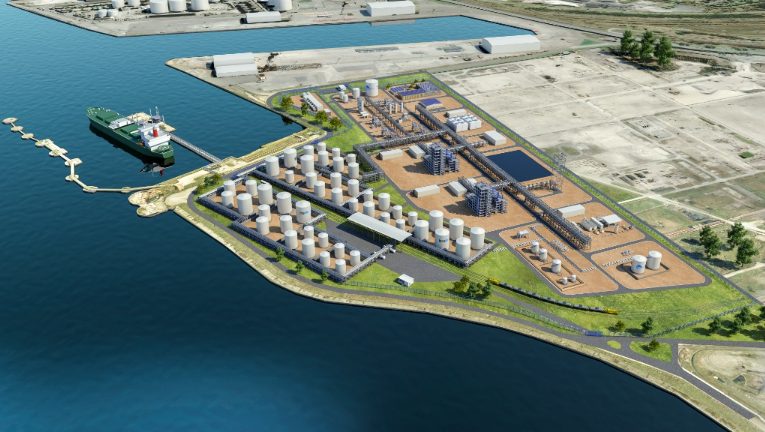
Dunkirk is set to become the location of another large-scale collaborative endeavour after Airbus announced project Rebound. This will be a sustainable aviation fuel (SAF) facility being developed as a joint venture between the French aircraft OEM, Technip Energies, Safran and Tereos.
“By forming a consortium, we are just helping one another in sharing the risk. That’s the whole point of us bringing our strengths together, is that we bring money, we bring know-how and connections,” Julien Manhes, head of SAF and Carbon Dioxide Removal (CDR), Airbus, tells SAF Investor. “All together we can increase the chances of success about that project and accelerate the project as well.”
Technip Energies is leading the project and are the engineering service provider, Teroes are sourcing the ethanol, produced from agricultural and forestry residues, for the feedstock and Airbus and Safran are facilitating the project’s offtake.
Rebound will be a 160,000 tons per year Alcohol-to-Jet (AtJ) facility, one of the largest of its kind in Europe. The Port of Dunkirk has already awarded Technip Energies an industrial site for the facility. The site comes with supply chains for feedstock and end product transport and a streamlined permit pathway. Both of which are critical components to achieving project financing.
Airbus sees the AtJ pathway as appealing since the company believes it is the next most accessible pathway behind HEFA (Hydro-processed Esters and Fatty Acids).
“We believe that HEFA could be short of feedstock sooner rather than later. AtJ is the next one down the line in terms of cost effectiveness and we all like it for the diversity of feedstock that you can use,” explains Manhes.
The consortium has set up a special purpose company (SPC) which is funded to see the project through to Final Investment Decision (FID), which is expected in early 2029, with commercial operations scheduled for early 2030s.
The Rebound facility is the latest in a long line of investments Airbus is making to develop SAF worldwide. The company has already investmented in DG Fuels in the US, Jet Zero Australia and HAMR in Australia alongside Qantas. It is also a core investor in the SAFFA fund, managed by Burnham Sterling.
All SAF projects have their risks and project Rebound is no exception, but Airbus’ SAF portfolio has allowed the company to better understand how to evaluate and navigate them. Involving partners who can bring their own expertise to the table to help spread project risks is something very appealing about the JV set up, emphasises Manhes.
Every project Airbus is involved with across the globe above all needs to adhere to two criteria: affordability and accessibility.
“What matters is that collectively we bring a quantity of SAF and cheap SAF as early as possible. So affordability and accessibility remain true criteria of choice,” Manhes says.
“There is no blue book for SAF investments. It’s too early to say what makes for a good investment because it really depends what you’re looking for … We want as many plants as possible online and producing, generating large volumes affordably. Because we need cheap SAF,” highlights Manhes.
Winston Churchill said that wars are not won by evacuations, but the success of Operation Dynamo lay in the successful delivery of a huge undertaking. Project Rebound aims to be another example of successful collaboration and delivery in Dunkirk.
Subscribe to our free newsletter
For more opinions from SAF Investor, subscribe to our email newsletter.